On which surfaces is siliconized sealant used?
Siliconized mastic is a flexible and durable sealant material that can be used on a wide variety of surfaces in the construction industry. However, the application techniques and points to consider differ for each surface type. In this article, we will examine the application areas of siliconized mastic and the appropriate application methods for different surfaces in detail.
Glass Surfaces
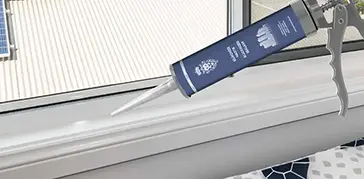
Glass surfaces, especially in window, shop window, and glass facade applications, are frequently filled with mastic. Siliconized mastic adheres strongly to glass surfaces and prevents cracking thanks to its elastic structure. Important considerations during application:
- The surface must be clean and free of grease.
- Using masking tape during application ensures clean edges.
- The sealant should be applied evenly with the gun and the surface smoothed with a spatula.
Aluminum and Metal Surfaces
Used for sealing aluminum, steel, or other metal surfaces, providing water and air tightness. Preferred for exterior wall joints or metal panel seams. Important considerations:
- Metal surfaces must be cleaned of rust and oil.
- If the surface is lightly sanded before applying the sealant, the adhesion will increase.
- Drying time must be carefully considered, and UV resistance is especially important for outdoor applications.
Wooden Surfaces
Sealant is used on wooden surfaces to fill joints and gaps, and to provide moisture and air tightness. Since wood is a material that moves over time, the elastic structure of siliconized sealant adapts to these movements.
- The surface must be dry and free of dust.
- The appropriate sealant should be selected according to the joint width.
- After application, the surface should be smoothed with a spatula.
Concrete and Wall Surfaces
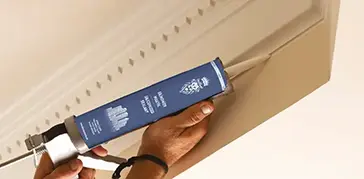
On concrete, brick, or plaster surfaces, sealant provides water and air tightness, especially in exterior wall joints and panel connections. Because concrete surfaces can be porous, sealant must be applied carefully to ensure good adhesion.
- The surface must be dry and clean.
- The sealant should be evenly distributed along the joint.
- Drying time should be monitored, taking into account the effects of humidity and temperature, especially outdoors.
Ceramic and Tile Surfaces
In bathroom and kitchen applications, mastic is used in the grout between ceramic and tile surfaces. Thanks to its water resistance, it can be safely used around sinks, showers, bathtubs, and countertops.
- The surface must be clean and dry.
- Joint edges should be protected with masking tape.
- The mastic should be smoothed with a spatula and excess product removed.
Conclusion
Siliconized sealant can be safely used on various surfaces such as glass, metal, wood, concrete, and ceramics. The correct preparation and application method for each surface increases the sealant's performance and lifespan. By using techniques appropriate to the surface type, you can achieve both a watertight seal and an aesthetically pleasing appearance.
The information in this text may vary from time to time depending on the manufacturer. Always check the product label.