Common Mistakes and Solutions for Using Siliconized Sealant
When applied correctly, silicone sealant functions as a long-lasting and effective filling material. However, improper use reduces the product's performance and causes the application to lose its sealing or aesthetic advantages. In this article, we will examine in detail the common mistakes made in silicone sealant application and suggested solutions.
Surface Preparation Errors
One of the most common mistakes is inadequate surface preparation. Dirty, oily, or damp surfaces will not adhere properly to the sealant, resulting in an insufficient seal.
Proposed Solutions:
- Clean and dry the surface before application.
- If there is oil or dirt, use an appropriate cleaner.
- Completely remove any old sealant or paint residue.
Mastic Application Errors
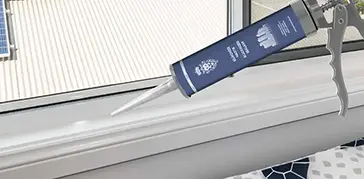
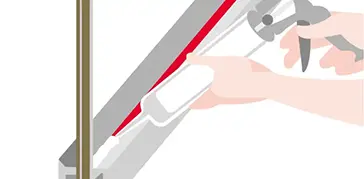
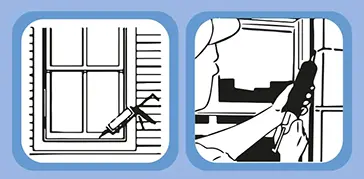
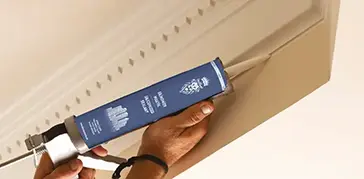
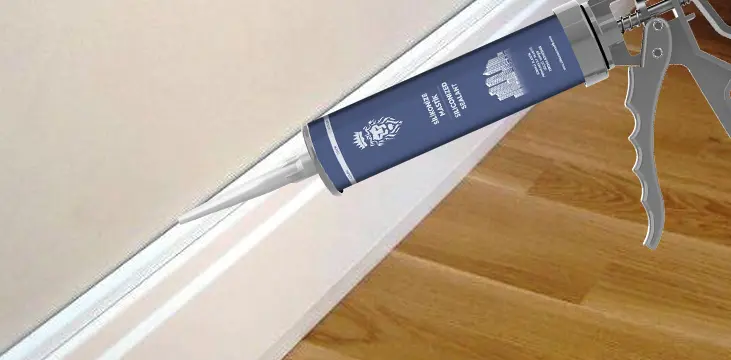
Incorrect use of the sealant gun, uneven squeezing, or an incorrect gun angle leads to application errors. This can result in gaps or air bubbles.
Proposed Solutions:
- Move the gun at a steady and consistent speed.
- Keep the gun angle at approximately 45 degrees.
- Completely fill the joints, preventing air bubbles from forming.
Curing Time Errors
Touching the sealant before its drying time is sufficient can lead to deformation and adhesion problems. Especially in outdoor applications, drying time varies depending on environmental factors.
Proposed Solutions:
- Follow the drying time recommended by the manufacturer.
- Do not touch the surface while it is drying.
- Consider temperature and humidity in outdoor applications.
Excess Product Not Being Cleaned
If excess product is not removed from the surface after sealant application, the aesthetics will be compromised and in some cases, it may affect adhesion.
Proposed Solutions:
- After application, remove excess product with a spatula or damp cloth.
- Use masking tape to achieve clean edges.
Choosing the Wrong Sealant
The type of sealant varies for each surface and application area. Choosing the wrong product can lead to adhesion problems and loss of sealant.
Proposed Solutions:
- Select a silicone sealant suitable for the application area.
- Consider the difference between indoor and outdoor spaces.
- Choose a product that is suitable for the joint width and material type.
Conclusion
Errors in silicone sealant applications negatively affect the product's performance and lifespan. Surface preparation, correct gun usage, adherence to drying time, and appropriate sealant selection are key to preventing these errors. By following this guide, you can achieve successful applications in terms of both sealing and aesthetics.
The information in this text may vary from time to time depending on the manufacturer. Always check the product label.