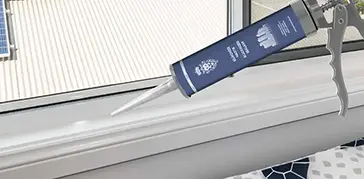
Differences Between Siliconized Sealant and Acrylic Sealant
In sealant applications, selecting the right product is critical for the durability and sealing performance of the application. Siliconized sealant and acrylic sealant are the two most frequently preferred types of sealants. This article will discuss the differences between these two products, their areas of application, and their advantages in detail.
Properties of Siliconized Sealant
- It has an elastic and flexible structure and absorbs joint movements.
- It is resistant to water and moisture, making it particularly suitable for bathroom, kitchen, and outdoor applications.
- It is resistant to UV rays and prevents color fading.
- It is easy to apply and provides an aesthetically pleasing surface.
Acrylic Sealant Properties
- Suitable for indoor applications, water resistance is limited.
- Paintable, ideal for decorative applications.
- It has lower elasticity and is at risk of cracking during large joint movements.
- Easy to apply and dries quickly.
Areas of Application
| Type of Mastic | Area of Use |
|---|---|
| Siliconized Sealant | Bathroom, kitchen, window and door joints, exterior facade applications. |
| Acrylic Sealant | Interior decorative joints, paintable surfaces, filling small cracks and gaps. |
Advantages and Disadvantages
Siliconized Sealant
- Advantages: High water and UV resistance, elastic, long-lasting.
- Disadvantages: Cannot be painted, adhesion may be limited on some surfaces.
Acrylic Sealant
- Advantages: Paintable, ideal for interior decorative applications, easy to apply.
- Disadvantages: Limited resistance to water and external factors, low elasticity.
Which sealant should be preferred in which situation?
- Areas with high water and moisture content → Siliconized sealant
- Outdoor and high UV exposure areas → Siliconized sealant
- Interior decorative and paintable joints → Acrylic sealant
- Quick filling of small cracks and gaps → Acrylic sealant
Conclusion
The choice of sealant should be made according to the application area and expectations. Siliconized sealant offers high performance against water and external factors with its durability and elasticity. Acrylic sealant, on the other hand, provides advantages in decorative and paintable interior applications. Knowing these differences is important for long-lasting and effective applications.
The information in this text may vary from time to time depending on the manufacturer. Always check the product label.