Methods for Cleaning and Removing Excess Silicone Sealant
In silicone sealant applications, excess product and overflowing sealant can impair the aesthetic appearance and prevent the joints from looking smooth. With the right cleaning methods, high-quality results, both aesthetically and functionally, can be achieved after application. This article will discuss sealant cleaning and excess product removal methods in detail.
Basic Rules for Removing Excess Sealant
- It's easier to clean the sealant before it dries completely.
- Using masking tape to protect edges minimizes product spillage.
- Appropriate tools and techniques should be used to avoid damaging the surface during cleaning.
Removing Excess Product During Application
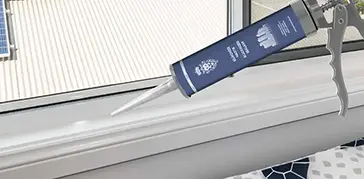
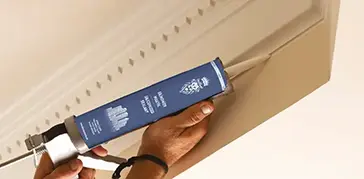
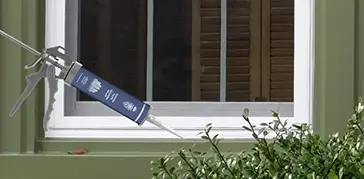
- Exercise caution when applying sealant with a gun.
- Apply the grout evenly and prevent air bubbles from forming.
- Excess sealant can be cleaned up immediately with a spatula or slightly damp cloth.
- Protect the edges with masking tape to prevent spills; remove the tape once it's dry.
Methods for Removing Dried Sealant
- The dried sealant can be carefully removed with a cutter or spatula.
- For any small residue remaining on the surface, a suitable silicone remover or sealant cleaner can be used.
- Care should be taken not to damage the surface during cleaning.
- After the joint surface has been thoroughly cleaned, new sealant can be applied.
Surface Cleaning and Maintenance
- The area around the joint and the application area must be clean before and after application.
- Surface cleaning can be done with water and mild cleaning products.
- For aesthetic and functional integrity, joint edges must be smooth.
Tips
- Prevent spills and achieve clean edges with masking tape.
- Remove excess product before the sealant dries completely.
- Remove dried-on products using appropriate tools and a cleaner.
- The grout surface must be completely clean and dry.
- Using a steady and controlled gun during application makes cleaning easier.
Conclusion
Cleaning and removing excess silicone sealant is crucial for the aesthetic and functional success of the application. Using masking tape, controlled application, and appropriate cleaning methods ensures both an aesthetically pleasing and long-lasting joint. These methods allow you to achieve high-quality and safe results after application.
The information in this text may vary from time to time depending on the manufacturer. Always check the product label.